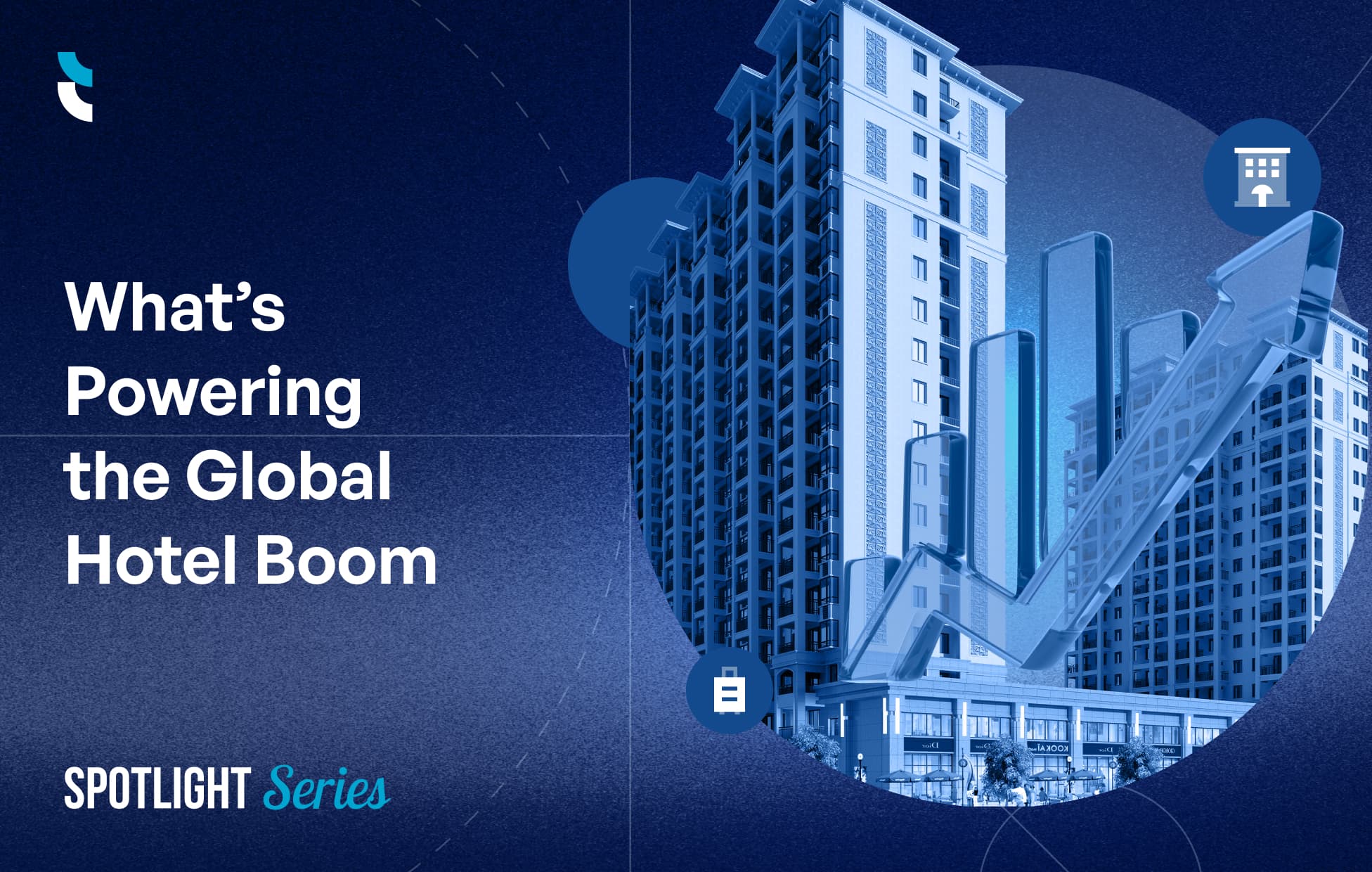
The global hotel market is back in expansion mode, entering a fresh growth cycle. With the industry projected to approach $3.93 trillion USD by 2034 (Travel and Tour World), hospitality is being propelled by rising travel demand and a deep shift in how guests discover, book, check in, and experience hotels across the entire journey.
Technology now plays a direct role in hotel performance. It influences revenue, guest satisfaction, operational flow, and regional expansion. Treating digital as a core business layer allows hotel brands to operate more agilely, respond to guest behavior faster, and strengthen loyalty over time.
What’s Behind the Hotel Market Boom
Travel demand is rising sharply, pushing the global hotel market into a new phase. Key trends driving this growth:
Experiential Travel: Guests seek memorable stays with personal relevance rather than generic accommodation.
Hybrid and Remote Work: Extended stays and workations reshape occupancy patterns and booking cycles.
Emerging Markets: Growing middle classes across Asia Pacific, Latin America, and Africa introduce millions of new travelers.
This growth places pressure on outdated hotel systems. Long check-in lines, fragmented booking journeys, and disconnected loyalty platforms now create friction that guests notice instantly. Hotels that rely on legacy workflows struggle to keep pace with rising expectations.
How Hotels Are Using Technology Across the Guest Journey
Hotels are embedding digital tools across every stage of the experience, from discovery to post-stay.
High-Converting Direct Booking Systems
Cloud-based booking platforms and OTA integrations shorten decision cycles and reduce drop-offs. Direct booking apps connect loyalty perks with exclusive offers, keeping guests inside brand ecosystems instead of third-party platforms.
Unified Hotel Operations in One Platform
Modern PMS platforms bring housekeeping, reservations, payments, and service requests into unified dashboards. Teams spend less time coordinating systems and more time supporting guests. Cloud PMS also supports multi-property management with centralized visibility.
AI Serving as the Digital Host
Chatbots, mobile check-in and out, room personalization, and AI concierge services remove friction across the stay. Hotels anticipate guest needs through behavioral signals and deliver timely recommendations without heavy staff involvement.
Data-Driven Guest Personalization
Analytics systems support dynamic pricing, personalized promotions, and loyalty incentives. Hotels build richer guest profiles and improve lifetime value while strengthening direct booking channels.
Explore the full framework in Tru’s Digital Travel and Hospitality Playbook, built for brands scaling through digital transformation.
The Business Results of Going Digital-First
The business results show up fast once digital systems are embedded into daily operations.
Digital First Guest Behavior
Over 60% of hotel bookings now happen online or via mobile. More than 80% of guests prefer mobile apps for check-in and out. (WiFi Talents)
Operational Flow Improves
AI-powered automation reduces response times, smooths workflows, and eases staffing pressure.
Regional Expansion Becomes Practical
Multi-property PMS and channel integrations support market entry without linear growth in operational complexity.
Brand Loyalty Strengthens
Personal experiences and integrated loyalty programs increase direct bookings and repeat stays.
Tru’s Perspective on Building Modern Hotel Operations
If Tru were advising a hotel group preparing for global expansion, the focus would start with structure before tools.
Start With the Real Friction
Many hotels operate with disconnected systems across booking, loyalty, guest services, and operations. The guest experience feels fragmented because the internal workflow already is. Fixing system flow creates immediate clarity for both staff and guests.
Treat Data Like a Guest Relationship Layer
Guest data tells a story. Preferences, behavior patterns, and booking habits reveal what guests value. Hotels that act on these insights create stays that feel intuitive and relevant. That connection leads to stronger loyalty and higher revenue per guest.
The Next Phase of Hospitality Innovation
The future of hospitality blends AI, mobile platforms, and omnichannel engagement into a single operating model. Hotels that invest in flexible digital systems today stay ready for shifting travel behaviors, new guest expectations, and emerging market growth.
Hotels that delay face a different future. Higher friction, lower loyalty, slower regional entry, and rising operational strain.
The Strategic Implications for Hotel Brands
Digitally enabled guest journeys now define competitive advantage.
Operational flow and guest satisfaction rise together when systems connect properly.
Data-driven systems help brands respond faster to market shifts.
Where Would You Place Your First Digital Bet
Hotels are investing heavily in AI, mobile platforms, and cloud systems to improve guest experiences. If you were leading a hospitality brand today, which area would you prioritize first and why?
Guest personalization, operational automation, loyalty programs, or mobile-first booking.
Modernize Your Hotel Guest Experiences
Contact TruReferences
Travel and Tour World, Global Hotels Market Forecast and Digital Transformation Coverage
WiFi Talents, Mobile Booking and Guest Preference Statistics
Market Growth Reports, AI and Automation in Hospitality Operations